
Introduction
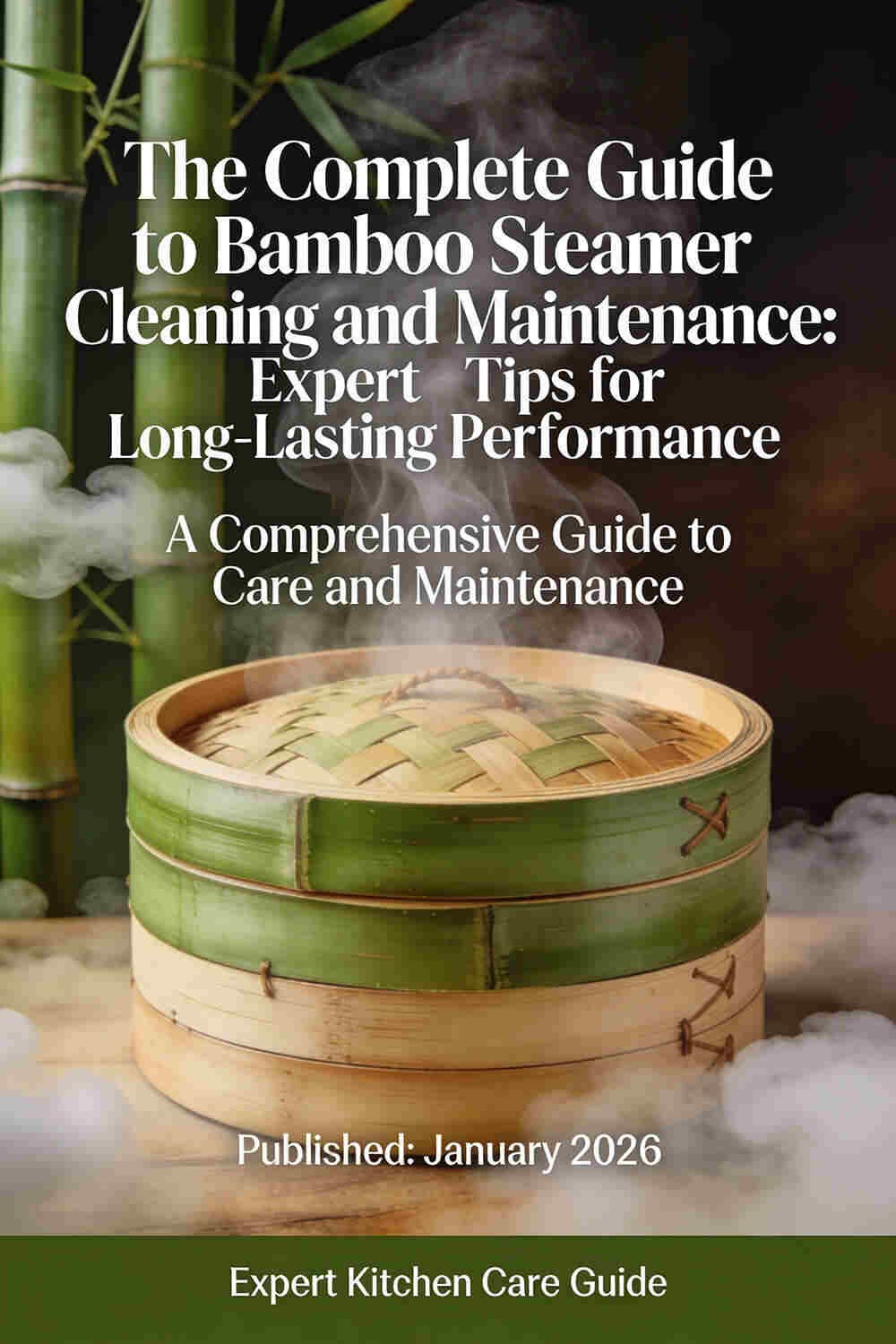
A bamboo steamer is one of the most versatile and health-conscious tools in any kitchen. Which dishes are suitable for bamboo steamers?Delicate dumplings, fresh vegetables, or rice can all be steamed, this traditional cooking vessel delivers consistent results while retaining essential nutrients and flavors. However, like any kitchen equipment, a bamboo steamer requires proper care and maintenance to remain functional and hygienic for years.
The challenge most home cooks face is not knowing how to properly clean and maintain their bamboo steamer without damaging it. Many discover too late that improper cleaning techniques can result in warping, cracking, permanent odors, or worst of all—mold growth that renders the steamer unusable.
This comprehensive article covers everything you need to know about bamboo steamer cleaning and maintenance guide. From preparing your new steamer for first use to removing stubborn mold and storing it correctly, you’ll find practical, expert-backed methods that keep your bamboo steamer in pristine condition.
Section 1: Understanding Your Bamboo Steamer
Why Bamboo Requires Special Care
Bamboo is a porous, natural material that absorbs moisture readily. This characteristic, while excellent for steam circulation and even cooking, is also why bamboo steamers are vulnerable to damage if not properly maintained. When moisture remains trapped in the bamboo fibers, it creates an ideal environment for mold growth, softening of the wood, and potential warping or cracking.
The key principle underlying all bamboo steamer maintenance is this: complete drying after every use is non-negotiable. This single practice prevents 90% of common bamboo steamer problems.
Common Bamboo Steamer Materials
Most quality bamboo steamers are constructed from one of two types:
-
Woven bamboo: Tightly woven strips of bamboo create the basket structure. The uniform, tight weave indicates durability.
-
Flat bamboo rounds: Stacked, flattened bamboo pieces form the base. These require slightly more careful drying.
Cheaper steamers with loose weaving, gaps between strips, or chemical-treated surfaces often deteriorate within a season or two, so investing in a quality steamer from the start pays dividends in longevity.
Section 2: Preparing Your Bamboo Steamer for First Use
Initial Cleaning Protocol
When you bring your new bamboo steamer home, resist the urge to use it immediately. Maybe you have a question in mind how to clean bamboo steamer before first use? Proper preparation is necessary to ensure better performance and prevents future problems.
Step 1: Wash with Mild Soap
Give your steamer a thorough wash using gentle, warm water and mild dish soap. Use a soft cloth or sponge to wipe all surfaces—both interior and exterior. This removes manufacturing residue, dust, and any protective oils applied during production.
Step 2: Soak the Bottom Rim (Critical Step)
The bottom rim of the steamer—the part that contacts your pot or wok—requires special attention. Soak this rim in warm water for 30 minutes to an hour. This pre-soaking prevents scorching or burning when you first use the steamer, and helps the bamboo develop an even patina over time.
Step 3: Steam It Empty
After soaking and rinsing thoroughly, place your dry steamer on a pot of boiling water and steam it empty for 10-20 minutes. This accomplishes two things:
-
Mellows the natural bamboo scent (new bamboo has a distinctive earthy aroma)
-
Allows the bamboo to acclimate to repeated heat exposure
-
Sanitizes the surface
Step 4: Oil Treatment (Optional but Recommended)
Some experienced cooks apply a light coating of food-grade mineral oil or rice bran oil using a soft brush. This step:
-
Enhances the bamboo’s natural appearance
-
Provides a protective barrier against moisture absorption
-
Should be done sparingly—excess oil becomes rancid over time
Allow the steamer to cool completely, then wipe away any excess oil with a clean cloth. Leave it in a well-ventilated area to air-dry for 24 hours before first use.
Section 3: Daily Cleaning After Each Use
The Immediate Post-Cooking Routine
The most important cleaning happens immediately after you finish cooking. Don’t delay—establish this habit from day one.
Step 1: Cool Down Completely
Allow the steamer to cool to a safe temperature before touching it. This prevents:
-
Heat-induced warping or cracking from thermal shock
-
Accidental burns to your hands
-
Water soaking into hot bamboo (which damages the fibers)
Wait at least 10-15 minutes after removing the steamer from the pot.
Step 2: Remove Food Debris Immediately
Using a soft brush or wooden spatula, gently scrape away any stuck-on food while the residue is still slightly soft. This is much easier than waiting for dried food to harden. Be gentle—aggressive scraping can scratch and splinter the bamboo surface.
| Usage Pattern | Daily Cleaning | Weekly Deep Clean | Monthly Inspection | Seasonal Treatment |
|---|---|---|---|---|
| Heavy Use (4-5 times/week) | ✅ Essential After Each Use | ✅ Required (Every 3-4 days) | ✅ Required | ✅ Full deep clean + oil treatment |
| Moderate Use (2-3 times/week) | ✅ Essential After Each Use | ✅ Recommended (Weekly) | ✅ Required | ✅ Deep clean + inspection |
| Light Use (1-2 times/week) | ✅ Essential After Each Use | ✅ Recommended (Every 2 weeks) | ✅ Recommended | ✅ Monthly inspection |
| Occasional Use (1-2 times/month) | ✅ Essential After Each Use | ✅ Optional | ✅ Before next use | ✅ Inspection if stored 3+ months |
| Seasonal Use (Only in summer) | ✅ Essential When Used | ✅ Before storing (seasonal) | ✅ Before next season | ✅ Full preparation before first use |
Step 3: Rinse with Warm Water (No Soap)
Rinse the steamer under warm running water. Avoid using dish soap during regular cleaning because:
-
Soap seeps into porous bamboo fibers
-
It can affect the flavor of future dishes cooked in the steamer
-
It leaves an unpleasant residual smell
Simply warm water is sufficient for 95% of daily cleaning needs. For stubborn residue, briefly soak in warm water for 5 minutes (not longer), then gently scrub with a soft cloth or sponge.
Step 4: Dry Thoroughly
This is the single most critical step for preventing mold:
-
Pat the steamer dry immediately with a clean, absorbent towel
-
Stand the steamer upright (don’t stack the tiers while wet)
-
Place it in a well-ventilated area with good air circulation
-
Allow it to air-dry for at least 24 hours, preferably 48 hours for complete drying
Pro Tip: Position your steamer near a window or in direct sunlight if possible. Sunlight acts as a natural disinfectant and accelerates moisture evaporation.
Section 4: Deep Cleaning and Maintenance
When and Why to Deep Clean
While daily cleaning maintains hygiene, periodic deep cleaning removes accumulated oils, odors, and stubborn stains. Deep clean your bamboo steamer:
-
Every 2-4 weeks if used frequently
-
Every 4-6 weeks if used occasionally
-
Whenever you notice lingering odors or discoloration
-
After cooking strongly aromatic foods (garlic, fish, onions)
Method 1: Baking Soda Paste for Deodorizing
Baking soda is a natural deodorizer and gentle abrasive that removes odors without harsh chemicals.
Instructions:
-
Mix baking soda with minimal water to form a thick paste (2:1 ratio of baking soda to water)
-
Using a soft brush or cloth, gently apply the paste to all interior and exterior surfaces
-
Pay special attention to areas with visible discoloration or persistent odors
-
Scrub gently in circular motions for 3-5 minutes
-
Rinse thoroughly with warm water until all baking soda residue is removed
-
Dry completely as described in the daily cleaning section
The alkaline nature of baking soda neutralizes odors while remaining safe for food contact.
Method 2: Vinegar Solution for Stubborn Stains and Mold Prevention
White vinegar is a powerful yet natural cleaner that kills mold spores and removes accumulated mineral deposits.
Instructions:
-
Mix one part white vinegar with three parts warm water
-
For basic maintenance: wipe down the steamer with a soft cloth dampened in this solution
-
For deeper cleaning: create a 1:2 ratio (one part vinegar to two parts water) and soak for 30 minutes
Important: Never submerge your steamer for extended periods. The goal is cleaning, not saturation.
-
After vinegar treatment, scrub gently with a soft brush to remove any visible deposits
-
Rinse thoroughly with clean water multiple times to remove all vinegar smell
-
Dry completely
Pro Tip: After using vinegar, you can mask any remaining vinegar smell by steaming slices of fresh lemon or lemon peel in the steamer. This natural method is safer than artificial air fresheners.
| Method | Best For | Ingredients/Tools | Effectiveness | Time Required | Safety Rating |
|---|---|---|---|---|---|
| Warm Water Only | Daily cleaning, regular maintenance | Warm water, soft cloth/sponge | ⭐⭐⭐⭐ | 5-10 minutes | ⭐⭐⭐⭐⭐ |
| Baking Soda Paste | Deodorizing, stain removal, odor absorption | Baking soda, water, soft brush | ⭐⭐⭐⭐⭐ | 15-20 minutes | ⭐⭐⭐⭐⭐ |
| Vinegar Solution (1:3 ratio) | Light mold prevention, general maintenance | White vinegar, water, soft cloth | ⭐⭐⭐⭐ | 10-15 minutes | ⭐⭐⭐⭐⭐ |
| Lemon Steam (15-20 mins) | Deodorizing, natural freshening | Fresh lemon slices, water, pot | ⭐⭐⭐⭐ | 25-30 minutes | ⭐⭐⭐⭐⭐ |
| Vinegar + Milk Soak (1:2 ratio) | Moderate mold removal, deep cleaning | White vinegar, milk, water, soft brush | ⭐⭐⭐⭐⭐ | 60+ minutes | ⭐⭐⭐⭐⭐ |
| Empty Steam Sanitization (20-30 mins) | Mold sanitization, severe odor issues | Water, pot, steam | ⭐⭐⭐⭐⭐ | 30-40 minutes | ⭐⭐⭐⭐⭐ |
Method 3: Lemon Water for Natural Deodorizing
Lemon is naturally antibacterial and leaves a pleasant fresh scent.
Instructions:
-
Fill a pot with water and place 2-3 sliced lemons in it
-
Bring the water to a boil, then place your bamboo steamer on top
-
Steam for 15-20 minutes with the lid on
-
Remove the steamer and allow it to cool
-
Wipe with a soft cloth and air-dry completely
This method is particularly effective after cooking strongly aromatic foods.
Section 5: Preventing and Removing Mold
Why Mold Develops in Bamboo Steamers
Mold is the most common problem faced by bamboo steamer owners. It develops when:
-
The steamer is stored while still damp
-
Air circulation around the steamer is poor
-
The steamer is stored in a humid environment
-
The steamer sits unused for extended periods in high-humidity conditions
Prevention is the Best Medicine
How to clear bamboo steamer mold? The most effective mold prevention strategy is straightforward:
-
Always dry completely before storing. This cannot be overemphasized. Set a reminder if needed.
-
Store in a dry location. Avoid kitchen cabinets directly above sinks, humid basements, or sealed plastic bags. Choose open shelving or a pantry with good air circulation.
-
Ensure proper air space. When storing multiple steamer tiers, don’t stack them tightly. Leave small gaps for air circulation.
-
Use silica gel packets if you live in a particularly humid climate. Place small silica packets in the storage area (not inside the steamer) to absorb excess moisture.
-
Rotate usage if storing long-term. If your steamer will sit unused for more than two weeks, expose it to air and sunlight every 7-10 days.
Mold Removal: Methods for Different Severity Levels
For Light Surface Mold (Small spots or early stages):
Vinegar Soak Method:
-
Mix one part white vinegar with two parts hot water
-
Soak the steamer in this solution for 30 minutes
-
Gently scrub with a soft brush, paying attention to crevices
-
Rinse thoroughly with clean water multiple times
-
Dry completely in sunlight if possible
For Moderate Mold (Visible growth across surface):
Combination Vinegar and Milk Treatment:
-
Add two tablespoons white vinegar and half a cup of milk to a basin of water
-
Soak the moldy steamer for one hour
-
The proteins in milk help lift mold spores
-
Scrub gently with a soft brush
-
Rinse thoroughly and dry completely
-
Follow up with empty steam treatment (see below)
Empty Steam Sanitization (Highly Effective):
-
Place your mold-treated steamer on a pot of boiling water
-
Steam it empty for 20-30 minutes with the lid on
-
The high heat and moisture kill remaining mold spores and sanitize the bamboo
-
Remove carefully and place in direct sunlight to cool and dry
-
Store only after complete drying (wait 48 hours)
For Severe Mold (Extensive coverage or deep penetration):
If mold covers more than 50% of the surface or has penetrated deeply into the bamboo weave, it may be time to consider replacement. Severe mold:
-
Is difficult to completely eliminate
-
Poses potential health risks
-
May indicate structural compromise of the bamboo
-
Will likely recur even after aggressive cleaning
A new steamer is an inexpensive investment compared to the risk of foodborne illness.
Section 6: Addressing Common Odors and Flavor Transfer
Why Bamboo Absorbs Odors
The same porosity that makes bamboo excellent for steam circulation also makes it prone to absorbing strong odors. Foods with pungent aromas—garlic, fish, Brussels sprouts, onions—release volatile compounds during steaming that get absorbed into the bamboo.
Preventing Unwanted Odors
Use Parchment Paper or Bamboo Leaves as Liners
The simplest solution is to line your steamer baskets with:
-
Parchment paper (widely available)
-
Cabbage leaves (natural and adds subtle flavor)
-
Bamboo leaves (traditional and attractive)
-
Reusable silicone liners (eco-friendly option)
Liners serve multiple purposes:
-
Prevent direct food contact with bamboo (reducing absorption)
-
Make cleaning significantly easier
-
Prevent sticking
Rotate Strong-Smelling Foods
Avoid steaming pungent foods in your steamer consecutively. If you must, alternate with milder foods or perform odor removal between sessions.
Removing Persistent Odors
If your steamer has absorbed strong odors despite prevention efforts:
Lemon Method (Gentlest)
-
Steam fresh lemon slices for 15-20 minutes
-
Repeat if necessary
Vinegar Vapor Method
-
Heat a pot of water with 2 tablespoons white vinegar
-
Place steamer on top and steam for 15 minutes
-
The acidic vapor neutralizes odors
Combination Treatment
-
Soak in vinegar solution for 30 minutes
-
Scrub gently
-
Steam with lemon slices
-
Allow 48 hours of air-drying in sunlight
Activated Charcoal Method (For Stubborn Cases)
-
Place the steamer in a sealed container with activated charcoal pieces
-
Leave overnight or for 24 hours
-
The charcoal absorbs residual odors
-
Follow with any of the above methods
Section 7: Storage Best Practices
Where to Store Your Bamboo Steamer
Ideal Storage Location:
-
Dry environment (moisture is the enemy)
-
Well-ventilated area (allows air circulation)
-
Moderate temperature (extremes cause wood movement)
-
Away from direct heat sources
-
Protected from dust (though dust is easily cleaned)
-
Open shelving rather than sealed cabinets
Table 5: Storage Environment Checklist
| Environmental Factor | Ideal Condition | Acceptable | NOT Acceptable | Why It Matters |
|---|---|---|---|---|
| Humidity Level | 30-50% RH | 50-60% RH | >70% RH (Mold risk) | High humidity accelerates mold growth |
| Temperature | 15-25°C(59-77°F) | 10-30°C (50-86°F) | >30°C or <5°C | Extreme temps cause warping & cracking |
| Ventilation | Good air flow (open shelf) | Moderate airflow (cabinet with gaps) | Sealed/no airflow | Prevents moisture accumulation |
| Light | Dim, away from direct sun | Indirect light | Direct sunlight all day | Prevents fading & moisture concentration |
| Proximity to Moisture | Away from sinks/bathrooms (>6 ft) | Kitchen shelf, distant from steam | Above/below sink, near dishwasher | Water exposure causes damage |
| Storage Container | Open shelf, wooden rack | Breathable basket, fabric wrap | Sealed plastic box, airtight container | Bamboo needs to breathe |
| Cleanliness | Clean, dust-free area | Lightly dusty (acceptable) | Damp, moldy, or oily environment | Contamination can transfer to food |
| Organization | Loose stacking with gaps | Snug but not compressed | Tightly stacked, pressed down | Airflow prevents internal moisture |
Avoid Storing:
-
In or directly above kitchen sinks
-
In sealed plastic bags
-
In bathrooms (high humidity)
-
In basements (often humid)
-
In tightly closed cabinets
-
Near windows (can cause fading on dyed steamer)
-
Stacked tightly without air gaps
Table 2: Storage Recommendations by Climate & Duration
| Storage Scenario | Location | Duration | Preparation | Frequency Check | Additional Notes |
|---|---|---|---|---|---|
| Daily Use | Open shelf, pantry | Continuous | Clean & dry after each use (24-48 hrs) | Weekly | Use liners to reduce odors |
| Weekly Use | Kitchen cabinet (with airflow) | Ongoing | Thorough dry between sessions | Bi-weekly | Ensure small air gaps between tiers |
| Seasonal Storage | Dry closet or cupboard | 2-3 months | Deep clean before storing, ensure 48-hr dry time | Every 2-3 weeks | Rotate usage every 2-3 weeks |
| Long-Term Storage (3-6 months) | Shelf with good ventilation | Over 3 months | Complete deep cleaning + 48-72 hr drying | Monthly | Use silica packets; expose to air/sunlight monthly |
| Climate: Humid (Tropical/Subtropical) | Well-ventilated open shelf | Year-round | Enhanced drying protocol (48-72 hrs minimum) | Weekly | Use silica packets constantly; consider separate tier storage |
| Climate: Moderate (Temperate) | Pantry with airflow | Year-round | Standard drying (24-48 hrs) | Bi-weekly | Regular inspection sufficient |
| Climate: Dry (Desert/Low Humidity) | Any cool, dark location | Year-round | Standard drying (24-48 hrs) | Monthly | Less mold risk; focus on cracking prevention |
Optimal Storage Configuration
For Multiple Tiers:
-
Stack the tiers loosely with small gaps for air circulation
-
Place the lid on top for dust protection, but leave small air gaps
-
Alternative: store tiers separately (stacked is acceptable if airflow is good)
Long-Term Storage (Over 3 Months):
If you won’t be using your steamer for an extended period:
-
Perform a thorough cleaning including deep cleaning
-
Ensure complete dryness (wait 48 hours after cleaning)
-
Place in your chosen storage location
-
Add silica gel packets to the storage area if humidity is a concern
-
Every 2-3 weeks, briefly expose the steamer to air and sunlight
-
Before using again after long storage, lightly steam it empty for 10 minutes
Section 8: Mistakes to Avoid
Understanding what not to do is as important as knowing what to do:
Never Use the Dishwasher
The high water temperature, pressure, and harsh detergents of dishwashers will:
-
Warp and weaken the bamboo
-
Open wood fibers to permanent moisture absorption
-
Remove protective oils
-
Shorten your steamer’s lifespan from years to months
Always hand-wash your bamboo steamer.
Never Soak for Extended Periods
While brief soaks (30 minutes) are acceptable for cleaning, extended soaking:
-
Causes bamboo to swell and soften
-
Opens fibers to mold and mildew
-
Can lead to permanent warping
-
May cause delamination of glued joints
Never Use Harsh Chemicals
Bleach, strong detergents, and abrasive cleaners:
-
Damage bamboo fibers
-
Leave chemical residues that affect food flavor
-
Are unnecessary for proper cleaning
-
Can cause color fading or discoloration
Stick to mild soap, natural vinegar, baking soda, and warm water—these are sufficient for all cleaning needs.
Never Use Abrasive Scrubbing Tools
Steel wool, hard-bristled brushes, and scouring pads:
-
Scratch and splinter bamboo surfaces
-
Damage the protective patina that develops with use
-
Create areas where mold more easily takes hold
-
Irreversibly damage the steamer’s appearance
Always use soft cloths, soft sponges, or soft-bristled brushes.
Never Store While Damp
This cannot be repeated enough: storing a damp steamer is practically inviting mold growth. Even slight dampness that seems harmless will develop into mold within days in humid conditions.
Never Expose to Excessive Direct Heat
While your steamer handles the heat of steaming, direct flame or extreme heat:
-
Causes rapid drying that leads to cracking
-
Can scorch or discolor the bamboo
-
May damage any joints or bindings
Let your steamer cool gradually after use.
| Mistake | Description | Consequence | Severity | Prevention |
|---|---|---|---|---|
| Using Dishwasher | Machine washing with high pressure & heat | Warping, fiber opening, lifespan reduced to months | 🔴 Critical | Hand wash only |
| Extended Soaking | Soaking for 30+ minutes continuously | Swelling, softening, warping, joint delamination | 🔴 Critical | Max 30 min soaks only |
| Harsh Chemicals | Using bleach or strong detergents | Fiber damage, chemical residues, flavor contamination | 🟠 Severe | Use only mild soap/vinegar/baking soda |
| Abrasive Scrubbers | Steel wool, hard brushes, scouring pads | Scratches, splinters, patina damage, mold susceptibility | 🟠 Severe | Soft cloths & soft brushes only |
| Storing While Damp | Storing without complete drying | Mold growth within days, health hazard | 🔴 Critical | 48-hr dry before storing |
| Direct Heat Exposure | Direct flame or excessive heat | Cracks, scorch marks, joint damage | 🟠 Severe | Cool gradually; avoid direct flame |
| Sealed Storage | Storing in plastic bags or sealed containers | Moisture trapping, mold growth, oxygen depletion | 🟠 Severe | Use open shelving with airflow |
| Stacked Tightly | Multiple tiers stacked without gaps | Poor air circulation, internal moisture buildup | 🟡 Moderate | Leave small gaps between tiers |
Section 9: Maintenance Tips for Extended Lifespan
Seasonal Care Routine
Spring/Summer (Warm, Often Humid Season):
-
Increase drying time to ensure complete moisture removal
-
Store with silica gel packets if humidity is high
-
Inspect weekly for any signs of mold
-
Use more liners to reduce odor absorption
Fall/Winter (Cooler, Often Drier Season):
-
Humidity is typically lower, making conditions more favorable
-
Ensure adequate air circulation during storage
-
Perform preventive deep cleaning monthly
-
Light oiling every 2-3 months helps maintain the bamboo (use rice bran oil only)
Monthly Inspection Routine
Once per month, conduct a quick inspection:
-
Check for visible damage: Small cracks, splits, or soft spots in the bamboo
-
Smell test: Any musty or moldy odor indicates moisture issues
-
Visual inspection for mold: Look for dark spots, discoloration, or fuzzy growth
-
Check joints: Ensure all binding and joints remain tight
-
Assess storage area: Has humidity or temperature changed?
When to Replace Your Steamer
Even with perfect care, bamboo steamers don’t last forever. Consider replacement if:
-
Visible mold cannot be removed after multiple treatment attempts
-
Multiple cracks or splits develop
-
The bamboo becomes soft or has weak spots
-
Binding or joints have loosened and cannot be repaired
-
The steamer no longer seals properly or warps during use
-
The smell cannot be removed and affects food flavor
Most quality bamboo steamers last 3-7 years with proper care. Budget accordingly for eventual replacement.
Section 10: Frequently Asked Questions
Q: How often should I clean my bamboo steamer?
A: Clean it after every use, without exception. This takes just 5-10 minutes and prevents 90% of problems. Deep clean every 2-4 weeks depending on usage frequency.
Q: Can I use soap to clean my bamboo steamer?
A: Yes, mild dish soap is acceptable for initial cleaning and heavy-duty cleaning. For daily cleaning, warm water alone is sufficient and preferred.
Q: Is it safe to eat food cooked in a steamer with minor mold spots I’ve cleaned?
A: After proper mold treatment (vinegar soak + empty steam sanitization), the steamer is safe to use. If you’re uncomfortable, prioritize your peace of mind and replace it.
Q: How do I remove the fishy or onion smell that won’t go away?
A: Combination treatment works best: vinegar soak, gentle scrubbing, lemon steam (20 minutes), followed by 48-hour air-drying in sunlight.
Q: Should I oil my bamboo steamer regularly?
A: Very light oiling (rice bran oil only) every 3-4 months is beneficial for maintaining the wood, but it’s optional. Never use olive oil or other culinary oils—they turn rancid.
Q: What’s the best way to store steamer if I live in a very humid climate?
A: Use silica gel packets near (not inside) the steamer. Store in the driest location available. Bring the steamer out to air and sunlight every 1-2 weeks. Consider storing disassembled tiers with gaps between them.
Q: Can a bamboo steamer go in the freezer?
A: Extreme cold is as damaging as extreme heat. The rapid temperature change can cause cracking. Avoid freezing.
Q: Is it normal for a new bamboo steamer to have a smell?
A: Yes. New bamboo has a natural earthy scent that mellows over time. Empty steaming for 10-20 minutes during initial preparation speeds this up.
Q: How do I prevent my steamer from warping?
A: Warping occurs from moisture damage and improper storage. Always dry completely before storing, avoid soaking, never stack while wet, and store in a well-ventilated area.
Q: What’s the difference between bamboo steamer materials, and does it affect care?
A: Most steamers are woven bamboo or flat bamboo. Care is essentially identical. Avoid chemically treated or “waterproof” coated steamers—true bamboo requires gentle, natural care.
Conclusion
A properly maintained bamboo steamer is not just a kitchen tool—it’s an investment in healthier cooking and traditional culinary methods. The care requirements are straightforward and demand minimal time once you establish good habits: dry it completely after each use, clean gently with natural products, and store it in a well-ventilated, dry location.
By following this comprehensive guide, you’ll keep your bamboo steamer in excellent condition for years. You’ll avoid the frustration of mold growth, unwanted odors, and premature deterioration that plague many steamer owners. Most importantly, you’ll continue enjoying delicious, nutritious steamed foods cooked in one of the world’s most reliable cooking vessels.
Start today by establishing your cleaning and drying routine. Your future self—and your bamboo steamer—will thank you.
Quick Reference Checklist
-
Clean immediately after use
-
Remove all food debris while soft
-
Rinse with warm water only (no soap for daily cleaning)
-
Pat dry with towel within 10 minutes
-
Air-dry in well-ventilated area for 24-48 hours
-
Store only when completely dry
-
Store in cool, dry, well-ventilated location
-
Deep clean every 2-4 weeks
-
Inspect monthly for mold, cracks, or damage
-
Never use dishwasher, bleach, or abrasive tools
-
Never store while damp
-
Use liners to reduce odor absorption
-
Keep silica packets near storage area (humid climates)
-
Replace steamer if severe mold develops



Leave A Comment