
How to prevent the bamboo cutting board getting mouldy?
The most important thing to preventing mold on bamboo cutting boards is keeping them thoroughly dry and clean, at the same time paying attention to details in daily use. Here are detailed and practical preventative measures:
Core Principle: Avoid Dampness and Keep Clean
The main cause of mold on bamboo cutting boards is prolonged exposure to a damp environment, which provides ideal conditions for mold growth.
1.Daily Cleaning and Drying (Most Important Step)
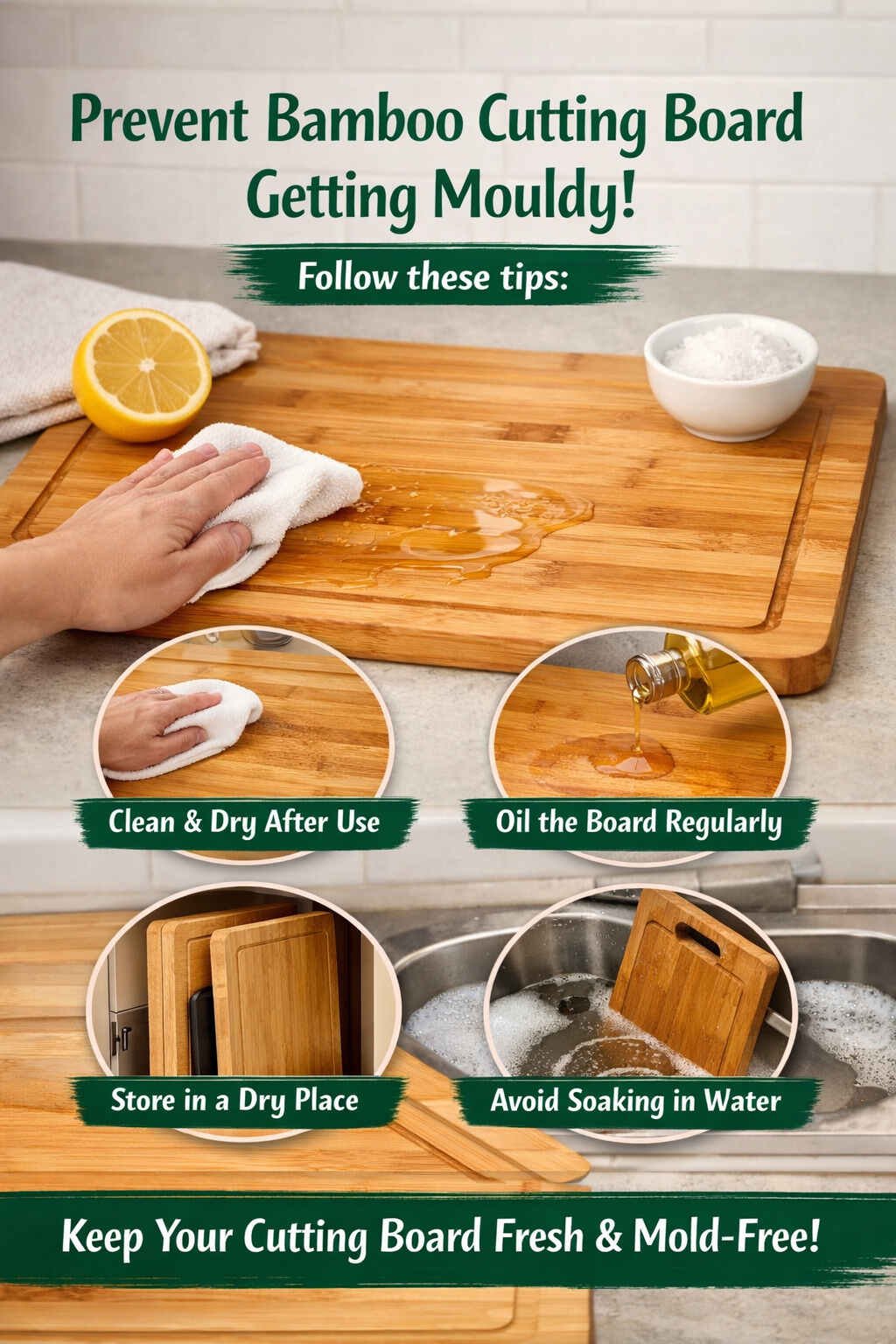
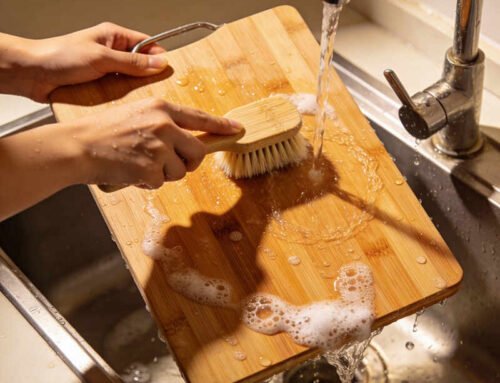
- Wash Immediately: Wash immediately after use with hot water and dish soap to remove food residue and grease. Avoid prolonged soaking.
- Dry Thoroughly: After washing, wipe the surface dry with clean kitchen paper or a cloth. Air dry is not good.
- Store upright and in a Ventilated Area: Place the cutting board upright in a well-ventilated area (such as a dish rack or dedicated shelf), ensuring air circulation on both sides. Avoid putting it against a wall or laying it flat.
2.Regular Deep Cleaning and Disinfection
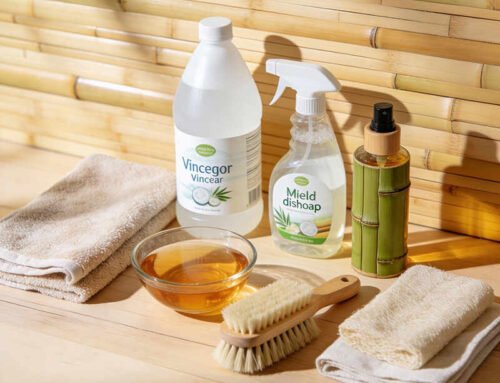
- White Vinegar/Lemon Deodorizer and Mold Inhibitor: Wipe the surface weekly with white vinegar or lemon juice, let it sit for 5 minutes, then rinse and dry. The acidic environment inhibits mold growth.
- Salt Cleaning: Sprinkle a small amount of salt on the surface of the bamboo cutting board, wipe repeatedly with a damp cloth, and then rinse. This can kill bacteria and reduce odors.
- Avoid Sun Exposure or Prolonged Soaking: Sun exposure may cause the bamboo cutting board to crack, while soaking will cause water seepage.
3.Usage and Maintenance Tips
- Separate Raw and Cooked Foods: It is recommended to prepare two bamboo cutting boards, one for raw food and one for cooked food, which can reduce cross-contamination and moisture frequency.
- Oiling Maintenance: Once a month, apply a small amount of food-grade mineral oil or walnut oil to a completely dry cutting board, let it sit to absorb, and then wipe off the excess oil. Note: Bamboo cutting boards are usually sealed and do not absorb oil well; this step is mainly for solid wood cutting boards. If the bamboo cutting board surface is unpainted and prone to cracking when dry, a small amount of oil can be applied.
- Avoid Cutting Hard Foods: The spliced structure of bamboo cutting boards is not resistant to strong chopping, and cracks can easily trap dirt and grime.
4.Environmental Control
- Keep the Kitchen Dry: Use a dehumidifier or the dehumidification function of an air conditioner, especially during the rainy season.
- Keep away from water: Do not place the bamboo cutting board near the sink or on a damp countertop.
5.Mold Treatment
- Minor mold spots: Wipe the mold spots with diluted white vinegar (1:1 water) or baking soda paste, rinse completely, and place in a well-ventilated area to sun-dry for 1-2 hours (do not over-sunlight).
- Severe mold: If black mold spots have appeared inside, you should replace the bamboo cutting board, as mycotoxins may have penetrated.
Key Actions Summary:
- After each use → Wash with hot water → Dry immediately → Stand upright for ventilation.
- Once a week → Wipe with white vinegar or lemon juice for disinfection.
- Monthly inspection → Apply oil for maintenance if necessary (depending on the type of cutting board).
- Maintain a dry environment → Keep the kitchen dry and avoid damp corners.
By following these habits, you can greatly extend the life of your bamboo cutting board and effectively prevent mold. If the bamboo cutting board has cracked or severely discolored, it is recommended to replace it without hesitation to ensure hygiene and safety.
Leave A Comment