
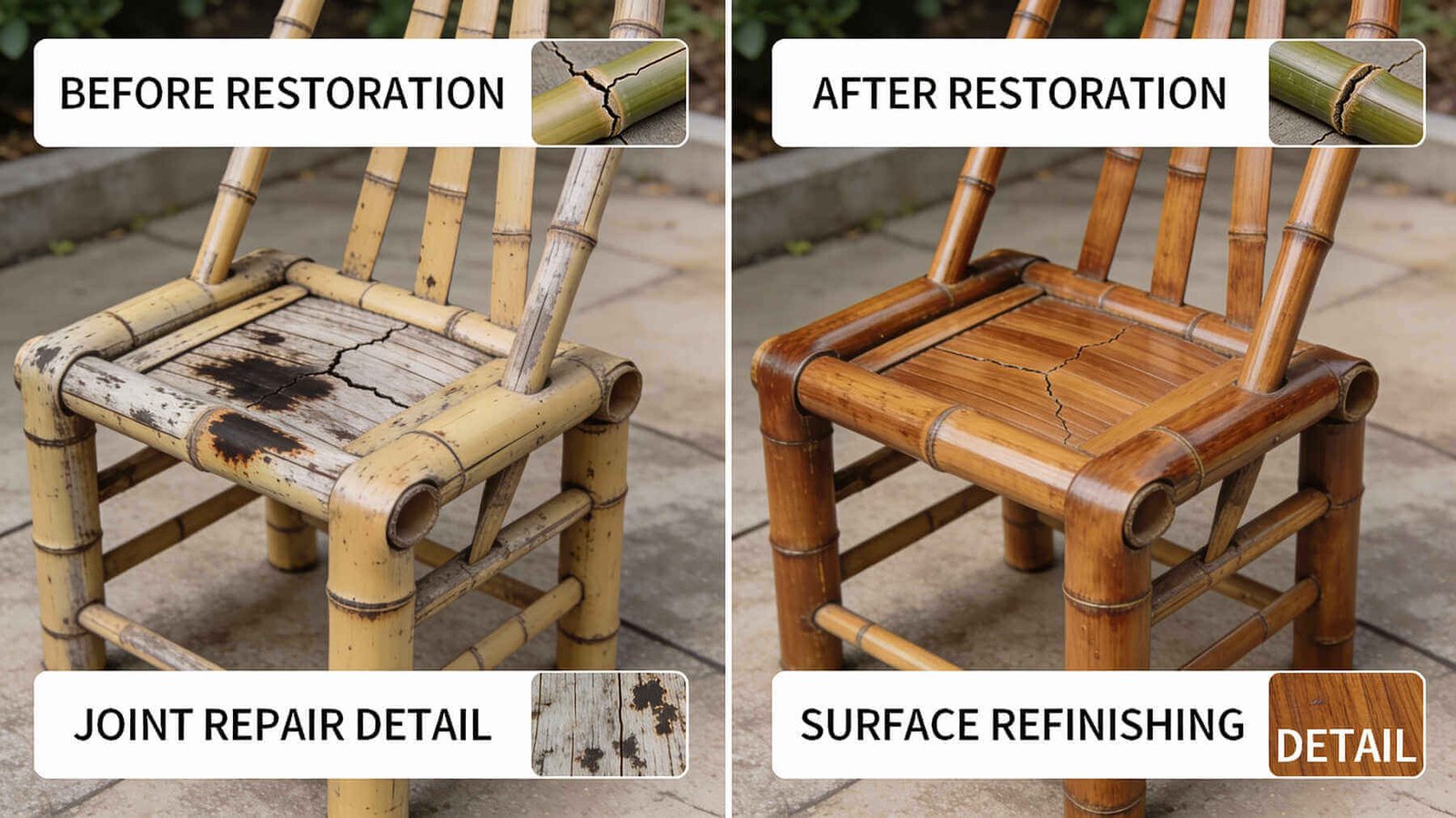
How to restore bamboo furniture? Following is a comprehensive guide to bamboo furniture repair and maintenance
Bamboo furniture represents one of the most sustainable and aesthetically appealing options available in modern homes and commercial spaces. However, like any natural material, bamboo requires proper care and maintenance to preserve its beauty and structural integrity. How to revive old bamboo furniture? This comprehensive guide combines industry expertise with practical repair techniques to help you extend the lifespan of your bamboo furniture, whether your pieces have already suffered damage or need preventive maintenance to remain in optimal condition.
Bamboo is an extraordinary material whose tensile strength can rival steel, but due to its natural water-absorbing properties, it requires careful attention. The fiber structure of bamboo consists of fine tubular cells that readily absorb moisture from the environment. This characteristic makes bamboo furniture susceptible to various degradation problems, particularly in humid climates like Southeast Asia, where tropical conditions accelerate mold growth and structural deterioration.
The main challenges faced by bamboo furniture owners include water-induced swelling and warping, adhesive failure due to moisture infiltration, colonization by mold and mildew, reduced mechanical strength, and coating deterioration. Understanding these issues is the first step in implementing effective repair and prevention strategies. Research demonstrates that untreated bamboo furniture in high-humidity bathrooms lasts only 1-2 years, while sealed and treated bamboo furniture in the same environment can last 6-7 years—a 250% increase in lifespan.
The Impact of Waterproofing Seals on Bamboo Furniture Lifespan
Before performing any repair work, thorough cleaning is critical to your project’s success. Proper cleaning removes accumulated dirt, dust, oily residue, and other contaminants that interfere with repairs and protective treatments.
Basic Pre-Repair Cleaning Process
Detailed Cleaning Steps
Initial dry cleaning: Begin by removing loose debris using a soft dry cloth or a soft brush attachment on a vacuum. This preliminary step prevents soil particles from being ground into the bamboo surface during wet cleaning. Pay particular attention to cracks, seams, and woven areas where dust tends to accumulate.
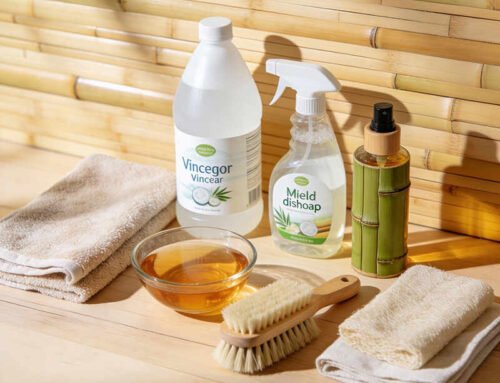
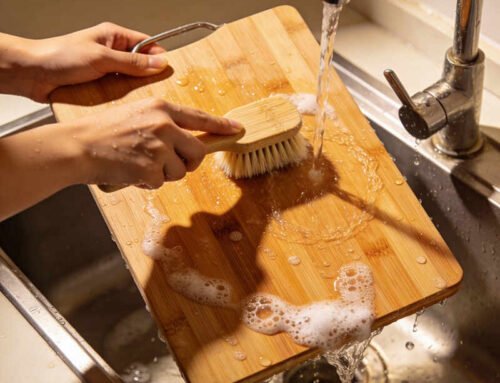
Wet cleaning process: Mix warm water with a mild soap solution—approximately 2-3 teaspoons of ammonia in half a gallon of water is highly effective. Dampen a soft sponge or cloth with this solution and gently wipe the furniture surface. For hard-to-reach areas and the complex weaving of bamboo, use a soft-bristled brush to work the cleaning solution deep into crevices. Avoid soaking the furniture or keeping it wet, as prolonged water exposure accelerates damage.
Thorough rinsing and drying: Rinse away all soap residue with clean water, taking care not to soak the material. Dry the furniture with a lint-free cloth and allow it to air dry completely in a well-ventilated area before proceeding with repairs. Complete drying is critical—never sit on damp bamboo furniture as this causes permanent deformation and softening.
Handling stubborn stains and mold
For stubborn stains or light mold growth, create a paste with three parts baking soda and one part white vinegar. Vigorously scrub the affected area with a stiff-bristled brush; the alkaline nature of baking soda breaks down mold while vinegar provides disinfection. For severe mold contamination, carefully pour boiling water over the affected area, let it sit for 5-10 minutes, then dry thoroughly.
Comprehensive Furniture Repair Techniques
Once your bamboo furniture is clean and dry, assess the damage severity to determine the repair method most suited to your specific situation.
Repair Tools and Materials Reference Guide
| Item No. | Tool/Material Name | Category | Purpose/Description | Specifications |
| 1 | Sandpaper | Grinding Tool | Surface sanding and smoothing | 180 grit or higher fine grit |
| 2 | Two-Part Epoxy Adhesive | Adhesive | Boning and repaire | Such as JB Weld brand |
| 3 | Wood Glue/Specialty Adhesive | Adhesive | Wood and bamboo bonding | Such as Titebond Ⅱ |
| 4 | Vanish/Linseed Oil/Bamboo Care Oil | Protective Coating | Surface protection and maintenance | Professional bamboo care products |
| 5 | Plane/Planer | Smoothing Tool | Flatten and smooth surfaces | Manual or electric planer |
| 6 | Clamping Tools | Clamping Device | Hold and secure workpieces | such as clamps,pipe clamps,etc. |
Addressing cracks and surface damage
Small surface cracks: For minor hairline cracks on the bamboo surface, clean the crack with a diluted white vinegar and water solution (1:3 ratio) to remove debris. Rub virgin coconut oil along the grain, as lauric acid promotes absorption and healing. Using a hair dryer, gently heat melted beeswax and carefully fill the crack with this natural sealant. This method is particularly effective for bamboo kitchenware and decorative pieces.
Structural cracks in furniture: For larger cracks affecting the structural integrity of furniture, carefully remove debris using a toothpick rather than metal tools. Use Titebond III wood glue specifically formulated for bamboo, injecting the adhesive directly into vertical cracks using a syringe. For ring cracks, rotate the piece to ensure 360-degree coverage. Clamp the piece using C-clamps wrapped with linen and allow the glue to fully cure for at least 24 hours. Never use ordinary super glue on bamboo as it increases brittleness and creates permanent fragility issues.
Repairing bamboo weaving and woven components
Minor cracks: For minor breaks in bamboo strip weaving, apply specialty bamboo glue to reconnect the broken parts. Ensure complete drying (24 hours) and appropriate clamping.
Complete breaks: When bamboo strips are completely severed, replacement may be the only viable solution. Match the replacement strips’ color and texture to maintain aesthetic consistency. For extensive damage to woven sections, consider professional re-weaving, which requires expertise in traditional bamboo craftsmanship.
Strengthening loose seams and connections
One of the most common issues with aging bamboo furniture is seam failure, where connecting elements become loose over time.
Seam stabilization: Use gentle scraping or fine sandpaper to remove any old glue or accumulated debris from seams. Apply high-quality wood glue formulated specifically for bamboo to the seam surfaces. Reassemble and maintain pressure using C-clamps or pipe clamps for at least 24 hours.
Metal reinforcement: For critical structural seams, consider adding metal reinforcement components such as corner brackets or wooden dowels. Carefully pre-drill holes to prevent bamboo splitting and use stainless steel hardware to prevent rusting. This method significantly increases the weight-bearing capacity of the repair and prevents future seam failure.
Professional Sanding and Surface Preparation
Proper sanding is essential for both aesthetic and functional repairs, as it creates an ideal surface for protective coatings and restores the natural appearance of bamboo.
Sanding progression and technique
Phase 1 – Initial surface sanding: Start with 120-grit sandpaper to remove old finishes, stubborn stains, or mold traces remaining after cleaning. Sand along the grain rather than against it to prevent splitting and fiber damage. This aggressive phase removes surface defects and prepares the material for subsequent treatment.
Phase 2 – Medium smoothing: Progress to 220-grit sandpaper to refine the surface and remove scratches left by coarser paper. This stage is critical for achieving a smooth, professional appearance.
Phase 3 – Fine polishing: For final aesthetic polishing, use 320-grit sandpaper with gentle pressure. This produces a ultra-smooth surface that enhances bamboo’s natural beauty and provides optimal adhesion for protective coatings.
Always wear safety goggles and dust masks when sanding to protect yourself from wood particles. Thoroughly remove all dust with a damp cloth before proceeding to the finishing stage.
Advanced Protection: Waterproofing and Sealing Systems
The waterproofing stage may be the most critical factor in extending bamboo furniture lifespan, especially in humid environments.
Multi-layer coating system
Pre-treatment conditioning: Before applying sealers, condition the bamboo with wood conditioning products that balance moisture absorption across the entire surface. This prevents uneven staining and uneven finish effects.
Primer coating: Apply a polyurethane primer suited to your environment—standard polyurethane for indoor furniture and marine-grade (polyurethane or Spar polyurethane) for outdoor furniture. The primer penetrates the wood surface and provides foundational protection.
Intermediate coats: For outdoor furniture or high-humidity environments, apply at least 3 layers of waterproof sealer, allowing 24-48 hours drying between coats. For standard indoor furniture conditions, typically 2-3 coats are needed.
Professional Spar varnish for outdoor applications: Marine varnish (also called Spar varnish) is specifically designed for outdoor conditions because it remains flexible in temperature fluctuations and provides superior UV protection compared to standard varnish.
Natural Oils and Wax Alternatives
How to make bamboo furniture shine? Oil the bamboo furniture is essential.For those preferring natural finishes without synthetic coatings, several excellent options exist.
Linseed oil: Raw linseed oil deeply nourishes bamboo fibers and provides moderate protection. Apply 1-2 coats, allowing complete drying of each layer between applications, and reapply every 6-12 months.
Tung oil: This natural oil hardens into a durable finish and offers superior waterproofing compared to linseed oil. However, tung oil requires longer curing times than synthetic finishes (up to one week depending on weather conditions).
Beeswax and carnauba wax: For a natural, aesthetic finish, apply a thin layer of pure beeswax or carnauba wax, then buff to create a moisture barrier. While these natural options require more frequent reapplication than synthetic sealers, they provide excellent eco-friendly performance.
Should bamboo furniture be oiled? Yes, bamboo furniture should be oiled. By using the different oils mentioned above, bamboo furniture can prevent moisture and cracking, mold and insects, improve strength and durability, highlight texture and color, make it smoother to the touch, enhance stain resistance, and extend the maintenance cycle.
Application best practices
Use high-quality brushes, lint-free cloths, or spray equipment to ensure even coverage. Work the product deep into the wicker and complex weaving and seams of bamboo furniture to ensure complete protection. Allow each coat to fully cure according to manufacturer specifications (typically 24-48 hours between coats), and wait 3-7 days after the final coat before returning the furniture to regular use.
Preventing and Treating Mold Growth
Mold is one of the most common and aesthetically destructive problems in humid climates, but can be completely avoided with proper care.
Understanding mold development
Bamboo develops mold when exposed to excess moisture and humidity over extended periods. Several mold species typically affect bamboo products: Aspergillus thrives in moist environments and breaks down organic matter; Penicillium causes discoloration and musty odors; Botryotinia produces characteristic deep green or black spots.
Professional mold removal solutions
Initial disinfection: For severe mold contamination, create a cleaning paste from three parts baking soda and one part white vinegar. Vigorously scrub the affected area with a stiff-bristled brush—the alkaline nature of baking soda breaks down mold while vinegar provides disinfection.
Boiling water treatment: Pour boiling water over moldy areas, letting it sit for 5-10 minutes, which kills mold spores without causing severe damage to bamboo like bleach would. Avoid using bleach as it weakens bamboo fibers while providing only surface disinfection.When treating moldy bamboo furniture with boiling water, special attention should be paid to preventing burns and ensuring environmental safety.Following are operating procedures for reference:
1.Safety before starting
- Wear thick, non‑slip shoes, long pants, and preferably long sleeves; use heat‑resistant rubber gloves, and if needed a thin disposable glove inside to absorb sweat and prevent slipping.
- Prepare a long‑handled ladle, scoop, or heat‑resistant kettle so you do not have to hold a large open container of boiling water directly; keep a dry towel nearby to wipe any splashes.
- Work on a flat, non‑slip surface, and make sure children and pets are kept away to prevent collisions that could spill hot water.
2.Pouring the boiling water
- Control the amount of water each time; do not carry an over‑full, heavy container of boiling water, and instead pour in several smaller batches to reduce the risk of dropping it.
- Keep some distance between your body and the bamboo furniture, and slowly pour along the edges using the long‑handledcontainer; keep the spout or outlet as close as possible to the moldy area to reduce splashing.
- Pour from the far side toward the side closer to you, rather than pushing water outward from your side, to avoid hot water splashing back onto your legs and feet.
3.While it is standing
- Stabilize the bamboo furniture before pouring so it will not tip over after being softened locally by the hot water, and keep its center of gravity tilted away from your body.
- After treatment, immediately move away from the area with boiling water; during the 5–10 minute waiting period, do not touch the bamboo surface or move the furniture or containers by hand.
- Avoid standing directly above the rising steam; keep your face and hands out of the steam path to prevent steam burns.
4.Cleanup and aftercare
- Only when the temperature has clearly dropped should you pour out any remaining water; when doing so, still follow the principle of “small amounts, multiple times, and keeping the outlet close to the target” to avoid splashing again.
- Wipe up any wet areas on the floor promptly to prevent slipping and potentially knocking over containers that may still contain hot water.
- If a burn occurs, immediately rinse the area under cool running water for at least 15 minutes or until the pain eases; do not apply soy sauce, toothpaste, or other folk remedies, and seek medical care quickly if there are large blisters or broken skin.
5.Extra risk‑reduction measures
- If you are worried about the danger of boiling water, you can use a heat‑resistant spray bottle filled with hot water and spray the moldy spots locally in small, repeated amounts to lower the risk.
- After treatment, thoroughly dry and ventilate the bamboo furniture or place it in the sun, in order to reduce moisture and prevent mold from growing again in deeper layers or in a damp environment.
Complete drying: Place furniture in a sunny, well-ventilated area for 24-48 hours for complete drying. Avoid direct heat sources like hair dryers as rapid drying causes bamboo cracking.
Final sanding and sealing: After drying, gently sand with 220-grit sandpaper to remove any remaining stains. Apply food-grade mineral oil or specialty bamboo wax to the surface, allowing 2-3 hours for absorption. For non-food contact surfaces, apply clear wood sealer for long-term protection.
Long-term mold prevention strategies
Maintaining humidity levels at 40-60% relative humidity is essential to prevent mold growth. Use dehumidifiers in naturally damp areas such as bathrooms, basements, or tropical climate regions. Ensure adequate ventilation around bamboo furniture by regularly opening windows or installing ventilation fans.
Dry bamboo immediately after any water exposure—wipe furniture surfaces immediately after cleaning and allow proper air circulation. Store bamboo products in breathable storage bags or shelves rather than airtight containers, and add silica gel desiccant packets in humid climates to absorb excess moisture.
Daily Maintenance and Prevention Strategies
Establishing consistent maintenance habits prevents most deterioration and significantly extends furniture lifespan.
Monthly care routine
Regularly dust your bamboo furniture using a soft dry cloth or soft-bristled brush to remove surface particles. For surface cleaning, wipe with a cloth dampened in warm water with mild soap, ensuring complete drying afterward. Every 4-6 months, apply natural beeswax or mineral oil with a soft cloth, working it deep into the texture to maintain bamboo’s natural appearance and moisture resistance.
Environmental control
Keep bamboo furniture away from direct sunlight, which causes fading and gradual fiber drying. In dry indoor environments with heating systems, regularly wipe furniture with cool, damp sponges to prevent heat-induced cracking.
Avoid placing excess weight on bamboo pieces—never exceed 15 kilograms on a single bamboo shelf. Add felt pads under decorative items to distribute weight and prevent permanent pressure marks.
Protective covers and storage
Use waterproof covers for outdoor bamboo furniture during off-seasons or extended non-use periods. When storing bamboo products, choose dry, well-ventilated spaces and avoid proximity to moisture sources.
Special case handling
- Varnish damage: When varnish peeling is normal, contact a lacquer specialist for refinishing
- Color changes: Natural wood pieces absorb colors and odors due to their nature, with color deepening during use being normal
- Severe damage: Serious structural damage should be handled by professional bamboo and rattan craftspeople
When to Seek Professional Repair Services
While many repairs are suitable for DIY work, certain situations require professional expertise.
Seek professional help for:
- Large-scale damage to bamboo woven components requiring re-weaving
- Severe structural damage affecting weight-bearing capacity or stability
- High-value or antique bamboo furniture requiring professional restoration techniques
- Complex decorative restoration or custom design repairs
- Complete furniture overhauls requiring professional finishing
Professional repair services typically include expert cleaning and stain removal, professional-grade bamboo component replacement and re-weaving, advanced coating systems with extended durability guarantees, structural reinforcement using professional techniques, and comprehensive finishing processes.
The Bamboo Furniture Repair Industry
The global bamboo furniture repair industry is experiencing rapid growth, driven by increasing consumer attention to sustainability and product longevity. The global bamboo furniture market reached USD 135.245 billion in 2024 and is projected to grow to USD 142.27 billion by 2035, representing a compound annual growth rate of 5.6%.
This expansion reflects broader consumer trends: environmental consciousness drives demand for repair services rather than replacement; corporate ESG commitments increase corporate purchasing of sustainable products requiring professional maintenance; remote work increases demand for high-quality furniture that demonstrates professional maintenance.
Conclusion: Preserving Beauty and Sustainability
Bamboo furniture represents an excellent investment in sustainable, beautiful home furnishings. By understanding the inherent challenges of this natural material and implementing the comprehensive care strategies outlined in this guide—from daily cleaning and preventive maintenance to advanced waterproofing and professional mold remediation—you can significantly extend the lifespan of your furniture pieces while preserving their natural beauty. Data clearly shows that sealed and treated bamboo furniture lasts significantly longer than untreated furniture: 150% longer in low-humidity indoor kitchens, 250% longer in high-humidity bathrooms, and 400% longer in outdoor exposure conditions. Whether your bamboo furniture is new and requires preventive care or has suffered damage requiring repairs, the techniques and strategies provided in this article will help you maintain these excellent pieces for years to come. Remember that prevention through regular maintenance is always preferable to extensive repairs after damage occurs—a few minutes of monthly care can maintain your furniture’s beauty and functionality far more effectively than reactive repairs after damage has occurred.


Leave A Comment