
Bamboo has quietly gone from humble grass to global sustainability superstar, showing up in everything from toothbrushes and towels to flooring and high‑tech packaging. As more people look for realistic alternatives to plastic and slow‑growing hardwoods, products made with bamboo offer a practical way to live greener without feeling deprived.
Search results for the keyword “products made with bamboo” show that people are mainly looking for informative, list‑style guides that showcase list of products made with bamboo and explain why they are eco-friendly. This long‑form article is designed exactly for that intent: a pillar‑style guide that gathers dozens of useful bamboo products, organized by room and lifestyle, with clear benefits and buying tips.
Why bamboo is such a powerful sustainable material
Bamboo is technically a grass, not a tree, but many species grow as tall and strong as timber while regenerating far more quickly. Some varieties can reach harvestable size in just three to five years, compared with several decades for many hardwood trees. Because bamboo regrows from its root system after cutting, it usually does not need replanting, which reduces soil disturbance and farm inputs.
From an environmental point of view, bamboo brings three big advantages:
- Rapid renewability and carbon capture.Fast growth allows bamboo stands to absorb large amounts of carbon dioxide while producing more oxygen than an equivalent area of many tree species.
- Low input farming.Bamboo can thrive with minimal irrigation and typically requires little or no synthetic fertilizers or pesticides, which lowers pollution and makes it attractive for small farmers.
- Biodegradability and durability.Properly processed bamboo is strong enough to replace wood or even steel in some applications, yet most bamboo products will eventually break down in the environment instead of persisting like conventional plastics.
Because of these qualities, governments, NGOs and businesses increasingly promote bamboo as a replacement for single‑use plastics, building materials and other resource‑intensive products. For everyday consumers, this means there is now a huge range of well‑designed products made with bamboo that can slot into daily life with little sacrifice.
How this guide is organized
Top‑ranking pages for this topic tend to be large, visual “catalog” articles listing dozens of bamboo products, grouped by usage scenario such as kitchen, bathroom, decor or gifts. To match that search intent and make your browsing easier, this guide organizes more than 75 products made with bamboo into the following sections:
- Kitchen and dining
- Bathroom and personal care
- Cleaning and laundry
- Office and study
- Clothing, textiles and accessories
- Home decor and furniture
- Baby and kids
- Outdoor, travel and lifestyle
- Innovative and high‑tech bamboo applications
Within each category you will find specific product ideas, how they are used, and why they make sense as eco-friendly swaps.
Kitchen and dining bamboo essentials
The kitchen is one of the easiest rooms to “bamboo‑ify,” because many plastic or hardwood items have mature bamboo alternatives.The items in kitchen can be alternated by simple bamboo products.
Food prep and cooking
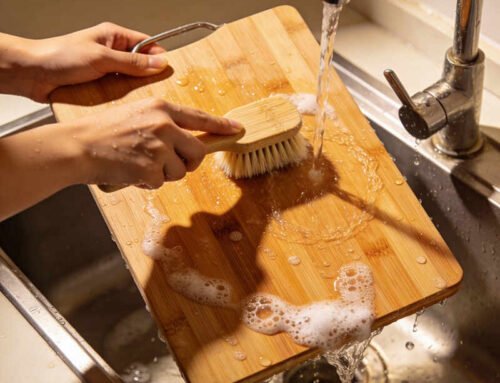
- Bamboo cutting boards.These boards are durable, naturally smooth on knives and lighter than many hardwood options, making them easy to move around the kitchen. A bamboo chopping board can replace plastic boards that often end up scarred and difficult to clean.
- Bamboo chopping and serving blocks.Thicker, edge‑grain blocks work well both as heavy‑duty chopping surfaces and as rustic serving platters for cheese or charcuterie.
- Bamboo cooking utensils.Spatulas, spoons, ladles and tongs made of bamboo will not scratch non‑stick pans and resist absorbing strong odors when properly cared for.
- Bamboo kitchen tongs and salad servers.Lightweight tongs and salad hands are ideal for tossing greens or plating food with less reliance on plastic or metal.
Tableware and serving
- Bamboo plates and bowls.Sturdy molded bamboo plates and bowls are popular for picnics, barbecues and casual dining, offering a reusable option instead of disposable plastic or paper.
- Bamboo cups and tumblers.Some brands mold bamboo fibers with natural binders into cups strong enough for daily use, while others offer handled mugs with bamboo exteriors wrapped around glass or stainless steel.
- Bamboo serving trays.From simple rectangular trays to ornate tea‑service platters, these pieces combine functionality with a warm, organic look on the table.
- Bamboo coasters and trivets.Small, laser‑cut coasters and lattice trivets protect surfaces from heat and water while adding subtle texture to your dining setup.
Food storage and zero‑waste swaps
- Bamboo food containers and lunch boxes.Some lunch boxes now use bamboo lids with silicone seals atop glass or stainless bases, combining plastic‑free materials with good leak resistance.
- Bamboo jar lids and canisters.Swapping plastic lids for bamboo‑topped glass jars gives a more natural look and keeps pantry staples neatly sealed.
- Bamboo reusable straws.Polished bamboo straws provide a biodegradable alternative to single‑use plastic, and many brands include a tiny cleaning brush for reusability.
- Bamboo drink stirrers and cocktail picks.These can replace disposable plastic stir sticks at home bars and events while keeping the same level of convenience.
Collectively, these products made with bamboo can significantly reduce plastic waste in one of the most frequently used areas of your home without compromising function or aesthetics.
Bamboo products for bathroom and personal care
Personal care is another category where bamboo shines as an alternative to plastic, especially for items that are traditionally single‑use.
Oral care and grooming
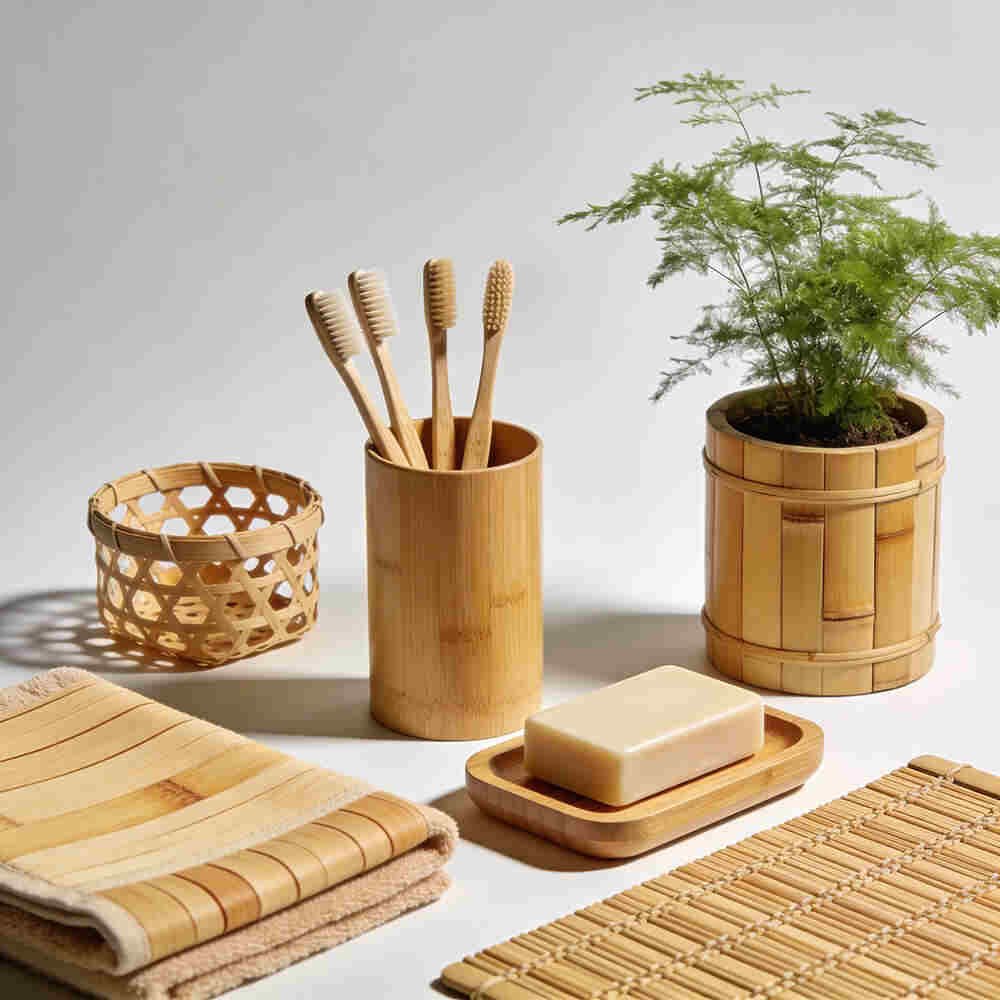
- Bamboo toothbrushes.Probably the most famous bamboo swap, these brushes use a biodegradable bamboo handle with either nylon or bio‑based bristles, cutting down on the solid plastic volume in landfills.
- Bamboo interdental sticks and toothpicks.Thin, smooth bamboo sticks provide an upgrade over flimsy plastic picks, and they compost more easily after use.
- Bamboo razors.Safety razors with bamboo handles pair a durable metal head with a renewable grip material, making them attractive, long‑lasting alternatives to plastic disposable razors.
- Bamboo hairbrushes and combs.With polished bamboo pins set into a natural base, these brushes are gentle on the scalp and avoid the static and brittleness of all‑plastic brushes.
Bath accessories
- Bamboo soap dishes.Slatted or ridged designs help soap dry between uses, extending bar life and preventing mushy residue on sinks or tubs.
- Bamboo bath mats.Instead of textile rugs that take a long time to dry, slatted bamboo mats allow water to drain and air to circulate, reducing mildew risk.
- Bamboo shower caddies and shelves.Water‑resistant finishes let bamboo shelves hold toiletries in the shower while contributing to a spa‑like feel.
- Bamboo cotton swabs and reusable pads.Many brands pair bamboo sticks with cotton tips for swabs, and sell reusable makeup remover pads made from bamboo fiber blends that can be washed and reused.
Storage and organization
- Bamboo toothbrush holders and countertop organizers.Simple stands or multi‑slot holders keep brushes, razors and cosmetics tidy while minimizing plastic.
- Bamboo towel racks and hooks.Freestanding racks or ladder‑style organizers made from bamboo provide extra hanging space without drilling into walls.
Switching to bamboo in the bathroom is particularly impactful because many conventional items—cotton buds, toothbrushes, razors and plastic organizers—are replaced frequently and often end up as persistent waste.
Cleaning and laundry helpers made with bamboo
Beyond obvious gadgets, bamboo also appears in cleaning tools and laundry accessories that help you reduce synthetic materials at home.
- Bamboo dish brushes and scrubbers.Dish brushes with bamboo handles and natural fiber bristles tackle pots and pans while avoiding petroleum‑based plastics and microplastic shedding.
- Bamboo bottle brushes.Narrow, flexible brushes with bamboo handles are perfect for cleaning reusable water bottles, thermoses and jars.
- Bamboo pot scrapers.Flat, small scrapers made from thin bamboo offcuts are gentle on non‑stick cookware and much more durable than typical plastic scrapers.
- Bamboo clothespins.Classic spring‑clip designs made with bamboo instead of soft wood or plastic stand up to moisture and UV exposure.
- Bamboo laundry hampers.Woven or slatted hampers bring a natural texture to bedrooms and bathrooms while providing breathable storage for clothes.
- Bamboo drying racks.Foldable racks use bamboo dowels and rails to provide plenty of line‑drying space, cutting down reliance on energy‑intensive machine dryers.
These small infrastructure changes support a lower‑waste lifestyle by making it easier to clean and dry items without synthetic plastics dominating your tools.
Office, study and tech accessories
Even your work or study space can benefit from products made with bamboo, balancing warmth with modern minimalism.
- Bamboo pens and mechanical pencils.Stationery brands now offer writing tools with bamboo barrels, reducing plastic use while keeping familiar ink or lead refills.
- Bamboo notebooks and sketchbooks.Some notebooks use bamboo pulp paper, which can feel similar to traditional paper while drawing on a faster‑growing fiber source.
- Bamboo desk organizers.Multi‑compartment caddies hold pens, sticky notes and clips, while bamboo monitor risers or shelves elevate screens to eye level and create extra storage.
- Bamboo laptop stands and cooling pads.Slatted surfaces allow airflow around laptops while lifting them to a healthier typing angle.
- Bamboo keyboard and mouse cases.A few specialized brands machine bamboo housings for keyboards and mice, turning everyday gadgets into tactile design objects.
- Bamboo phone and tablet stands.Small, foldable stands support devices for video calls or recipe viewing without relying on injection‑molded plastic stands.
Because these items sit in front of you for hours, upgrading them to natural materials can subtly reduce visual clutter and bring a bit of calm to your workspace.
Clothing, textiles and wearable accessories
Bamboo’s versatility really stands out in textiles and fashion, where its fibers can be spun into soft fabrics or shaped into hard accessories.
Bamboo fabrics and basics
- Bamboo T‑shirts, underwear and socks.Bamboo viscose fabrics are often praised for their softness, breathability and moisture‑wicking properties, making them popular for base layers and loungewear.
- Bamboo towels and bathrobes.Towels made from bamboo‑cotton blends tend to be highly absorbent and naturally resistant to odors, ideal for bathrooms and gyms.
- Bamboo bed sheets and pillowcases are natural products made with bamboo .Many homeowners switch to bamboo sheets for their smooth feel and temperature regulation, especially in warm climates.Bamboo bed sheets and pillowcases are best products made with bamboo.
It is worth noting that not all bamboo fabrics are equal: some rely on chemical‑intensive viscose processes, while others use more closed‑loop or mechanically processed fibers, so checking certifications is a smart move.
Wearable accessories
- Bamboo sunglasses and eyeglass frames.Brands carve or laminate bamboo into light yet sturdy frames that stand out from mainstream plastic or metal styles.
- Bamboo watches.Watch cases and bands made of bamboo or bamboo‑wood composites give a warm, minimalist aesthetic.
- Bamboo hats and caps.Woven bamboo strips can form sun hats, while bamboo‑blend fabrics show up in beanies and caps.
- Bamboo jewelry.Earrings, bangles and necklaces use thin, polished bamboo pieces, often combined with metals or stones for contrast.
- Bamboo belts and handbag handles.Solid bamboo rings and handles are popular in women’s handbags, while belts may use woven bamboo fabric combined with natural leather or plant‑based alternatives.
Choosing clothing and accessories made with bamboo does not automatically make an outfit sustainable, but it does create demand for fibers that grow quickly, use fewer farm inputs and can, in many cases, biodegrade more easily than synthetic textiles.
Home decor, furniture and building materials
For centuries, many cultures have used bamboo as a structural and decorative material; modern design is now rediscovering its potential.
Furniture and decor
- Bamboo chairs, tables and benches.Bamboo furniture can range from traditional woven styles to sleek, laminated pieces that resemble modern hardwood designs.
- Bamboo shelves and bookcases.Open‑frame shelving units made of bamboo provide storage without visual heaviness, fitting minimalist or Scandinavian‑inspired interiors.
- Bamboo lamps and lampshades.Intricately woven shades cast beautiful patterns of light and shadow, turning a simple bulb into a statement piece.
- Bamboo blinds and room dividers.Roll‑up blinds filter sunlight softly, while folding screens divide spaces while maintaining a light, airy feel.
- Bamboo rugs and floor mats.Thin slats or tightly woven mats protect floors in entryways and kitchens and are easy to sweep or wipe clean.
- Bamboo baskets and storage boxes.From laundry baskets to decorative planters, woven bamboo containers bring warmth and texture to any room.
Building and renovation products
- Bamboo flooring.Strand‑woven bamboo flooring compresses fibers under heat and pressure into planks that are extremely hard, stable and visually similar to hardwood.
- Bamboo wall panels and cladding.Panels can be stained or left natural to create feature walls with a spa‑like atmosphere.
- Bamboo countertops and work surfaces.Laminated boards make durable, eye‑catching counters for kitchens, studios or offices.
- Structural bamboo for pergolas and outdoor structures.Full‑culm poles can become pergolas, garden arches, fencing and even entire small houses when designed and treated properly.
In regions with strong bamboo industries, architects are experimenting with bamboo for bridges, public pavilions and larger buildings, reinforcing its reputation as a legitimate structural material, not just a decorative accent.
Bamboo products for babies and kids
Parents looking to reduce chemical exposure and waste often gravitate toward bamboo products for their children.
- Bamboo baby clothing and swaddles.The softness and breathability of bamboo fabrics make them popular for onesies, sleep sacks and blankets.
- Bamboo bibs and burp cloths.Highly absorbent bamboo‑cotton blends help keep babies dry while washing well between uses.
- Bamboo baby wipes and diaper inserts.Some reusable cloth diaper systems rely on bamboo inserts for their absorbency and quick drying.
- Bamboo baby bowls, plates and spoons.Suction‑cup bowls with bamboo interiors and silicone rings stay put on high‑chair trays and introduce natural materials early on.
- Bamboo teethers and toys.Smooth, shaped bamboo pieces provide safe chewing surfaces and simple, open‑ended play options.
Because babies put almost everything in their mouths, replacing petroleum‑based plastics with well‑finished natural materials can give parents extra peace of mind, though care is still needed to choose reputable brands and maintain products properly.
Outdoor, travel and lifestyle bamboo gear
When you leave the house, bamboo can help you maintain low‑waste habits on the go.
- Bamboo travel cutlery sets.Many zero‑waste kits include a bamboo fork, spoon, knife, chopsticks and straw in a fabric pouch, making it easy to refuse disposable utensils.
- Bamboo travel mugs and water bottles.Stainless steel or glass cores wrapped in bamboo sleeves combine temperature performance with a tactile natural exterior.
- Bamboo picnic baskets and serving gear.Classic woven baskets, cutting boards and plates make alfresco meals feel special while staying plastic‑light.
- Bamboo camping utensils and gear.Reusable bamboo sporks, plates and cooking tools reduce reliance on lightweight plastics in camping kits.
- Bamboo yoga blocks and fitness accessories.Some brands produce yoga blocks, massage tools and balance boards using laminated bamboo instead of synthetic foams or plastics.
- Bamboo umbrellas and walking sticks.Traditional umbrellas and canes often used bamboo shafts; updated versions revive this heritage with modern fabrics and grips.
In urban environments like Singapore, where sustainable lifestyles are gaining attention, retailers highlight bamboo housewares and travel gear as accessible steps toward greener daily routines.
Innovative and high‑tech uses of bamboo
Beyond obvious consumer products, bamboo is starting to influence advanced materials and large‑scale sustainability solutions.
- Bamboo‑based packaging and bioplastics.Researchers and startups are turning bamboo fibers and nanocellulose into compostable packaging films, trays and coatings that can replace petroleum‑based plastics for food and agricultural uses.
- Bamboo bioenergy.Bamboo biomass can be converted into charcoal, pellets or biofuels, providing renewable energy while sequestering carbon during growth.
- Engineered bamboo composites.Strand‑woven and laminated bamboo boards compete with plywood and even steel in strength‑to‑weight ratio, opening doors to greener construction systems.
- Bamboo electronics casings.Designers experiment with bamboo housings for speakers, headphones, keyboards and even bicycles, combining acoustic qualities and shock resistance with visual appeal.
- Agricultural preservation technologies.Projects such as bamboo‑based sprays and nanocellulose films extend the shelf life of fresh produce while avoiding fossil‑fuel‑derived plastics, contributing to lower food waste and greenhouse gas emissions.
These innovations show that products made with bamboo are not limited to “rustic” or low‑tech items; they are part of a broader wave of material science responding to climate and pollution challenges.
How to choose better bamboo products
With so many bamboo options on the market, not all are created equal. Here are a few tips to shop more thoughtfully:
- Look for credible certifications.Eco‑labels related to sustainable forestry, organic cultivation or responsible textile processing can indicate that bamboo was grown and turned into products with fewer environmental impacts.
- Beware of greenwashing.Some items use only a token amount of bamboo—such as a small decorative strip—while the rest of the product is conventional plastic, yet marketing still emphasizes “bamboo.” Checking material breakdowns helps avoid this trap.
- Prioritize durability and repairability.A sturdy bamboo cutting board or piece of furniture that lasts for years may be more sustainable than a fragile “eco” trinket that needs frequent replacement.
- End‑of‑life matters.Bamboo itself is biodegradable, but coatings, glues, paints and mixed materials can complicate recycling or composting, so think about how you will dispose of an item before buying.
Combining these criteria with your own lifestyle priorities—zero‑waste, minimalism, budget or aesthetics—will help you get the most value from each swap.
Bringing bamboo into your life
Search data for “products made with bamboo” shows modest but consistent global interest, with people clearly drawn to comprehensive guides that mix inspiration with practical tips rather than thin, definition‑only content. By exploring more than 75 products made with bamboo across every area of daily life—from your toothbrush and tea tray to your flooring and travel kit—you can start replacing high‑impact materials with a fast‑growing, renewable resource that genuinely supports a lower‑waste future.
Whether you run an eco‑friendly brand, manage a bamboo‑focused store in Singapore, or simply want to green your own home, treating this topic as a living “pillar” and continuously updating it with new bamboo innovations will keep you aligned with both search intent and real‑world sustainability progress.
Frequently Asked Questions about Products Made with Bamboo
1.Are bamboo products really eco‑friendly?
Yes—when sourced and processed responsibly, bamboo products are generally more eco‑friendly than many plastic or hardwood alternatives. Bamboo grows extremely fast, requires relatively little water and no replanting, and can help absorb significant amounts of carbon dioxide while releasing more oxygen than many tree species.
-
What kinds of products can be made with bamboo?
Bamboo can be turned into hundreds of different products, including kitchen tools, tableware, textiles, flooring, furniture, paper, personal‑care items, packaging and even engineered structural materials. Because it can be used as both a hard structural material and a soft fiber, it is one of the most versatile renewable resources available today.
-
Are bamboo products safe for food contact?
Reputable bamboo tableware and utensils are typically food‑grade and safe for direct contact with food, provided they do not contain harmful coatings or additives. Manufacturers of bamboo fiber plates, bowls and cutlery often emphasize that their items are free from toxins such as BPA and are tested to meet food‑contact standards.
-
How long do bamboo products take to biodegrade?
Under active composting conditions, many bamboo fiber products can break down within roughly two to six months, while thick solid pieces may take longer, similar to other natural woods. Exact timing depends on factors such as temperature, moisture, oxygen and how finely the material is shredded before composting.
-
Are bamboo fabrics always sustainable?
Not always. Bamboo as a plant is highly renewable, but the environmental impact of bamboo fabric depends heavily on the manufacturing process used to turn raw stalks into fiber. Mechanically processed or closed‑loop “lyocell‑type” bamboo fibers are considered more sustainable than conventional viscose methods that use harsh chemicals and large volumes of water.
-
How should I care for bamboo kitchen utensils and cutting boards?
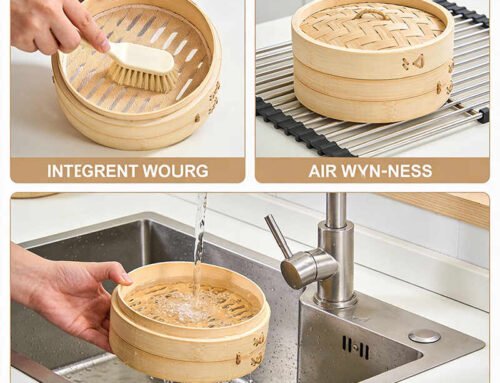
Bamboo utensils and boards should be washed by hand with warm water and mild soap, then dried thoroughly to prevent warping or mold. Periodically rubbing them with food‑grade mineral oil or a dedicated board oil helps keep the bamboo conditioned and reduces the risk of cracking.
-
Can bamboo utensils go in the dishwasher?
Some manufacturers state that their single‑piece bamboo utensils are technically dishwasher‑safe, but most still recommend hand‑washing to extend the life of the product. Prolonged exposure to high heat, strong detergents and heated‑dry cycles can over‑dry bamboo, causing it to warp or split over time.
-
Will bamboo mold or crack easily?
Like any natural wood, bamboo can absorb moisture and is vulnerable to mold or cracking if it is left wet or stored in damp, poorly ventilated spaces. Keeping items clean, thoroughly dry and occasionally oiled—as well as storing them in a cool, dry place—greatly reduces these issues.
-
Is bamboo stronger than wood or plastic?
Bamboo has an impressive strength‑to‑weight ratio; some engineered bamboo products have tensile strength comparable to or even higher than many steels, and are harder than many hardwoods. For everyday items like flooring, boards and furniture, this translates to high durability and long service life when the products are well‑made and properly maintained.
-
Does using bamboo contribute to deforestation?
When bamboo is cultivated on existing farmland or degraded land, it can actually help reducepressure on natural forests by providing an alternative fiber source. Problems arise only when natural ecosystems are cleared to plant bamboo monocultures, so it is best to support brands that use certified or responsibly managed bamboo.
-
Are bamboo products suitable for people with allergies or sensitive skin?
Many people with sensitive skin report that bamboo textiles feel softer and less irritating than some conventional fabrics, especially in items like socks, underwear and bed linens. However, individual allergies vary, and some bamboo fabrics are blended with other fibers or processed with chemicals, so checking fiber content and certifications is still important.
-
How can I tell if a bamboo product is genuinely sustainable and not just greenwashing?
Look for clear material descriptions, credible third‑party certifications, and transparency about sourcing and processing methods rather than vague “eco” claims. Truly responsible brands explain where their bamboo comes from, what additives or coatings are used, and how long the item is expected to last, helping you judge its real environmental value.
Leave A Comment