
Bamboo steamers are traditional Chinese cooking tools with different applications,now let`s explore which dishes are suitable for bamboo steamers? especially suitable for dishes that require preserving their original flavor and achieving a soft texture. Here are some common dishes suitable for preparation using bamboo steamers:
-
Classic Chinese Dim Sum
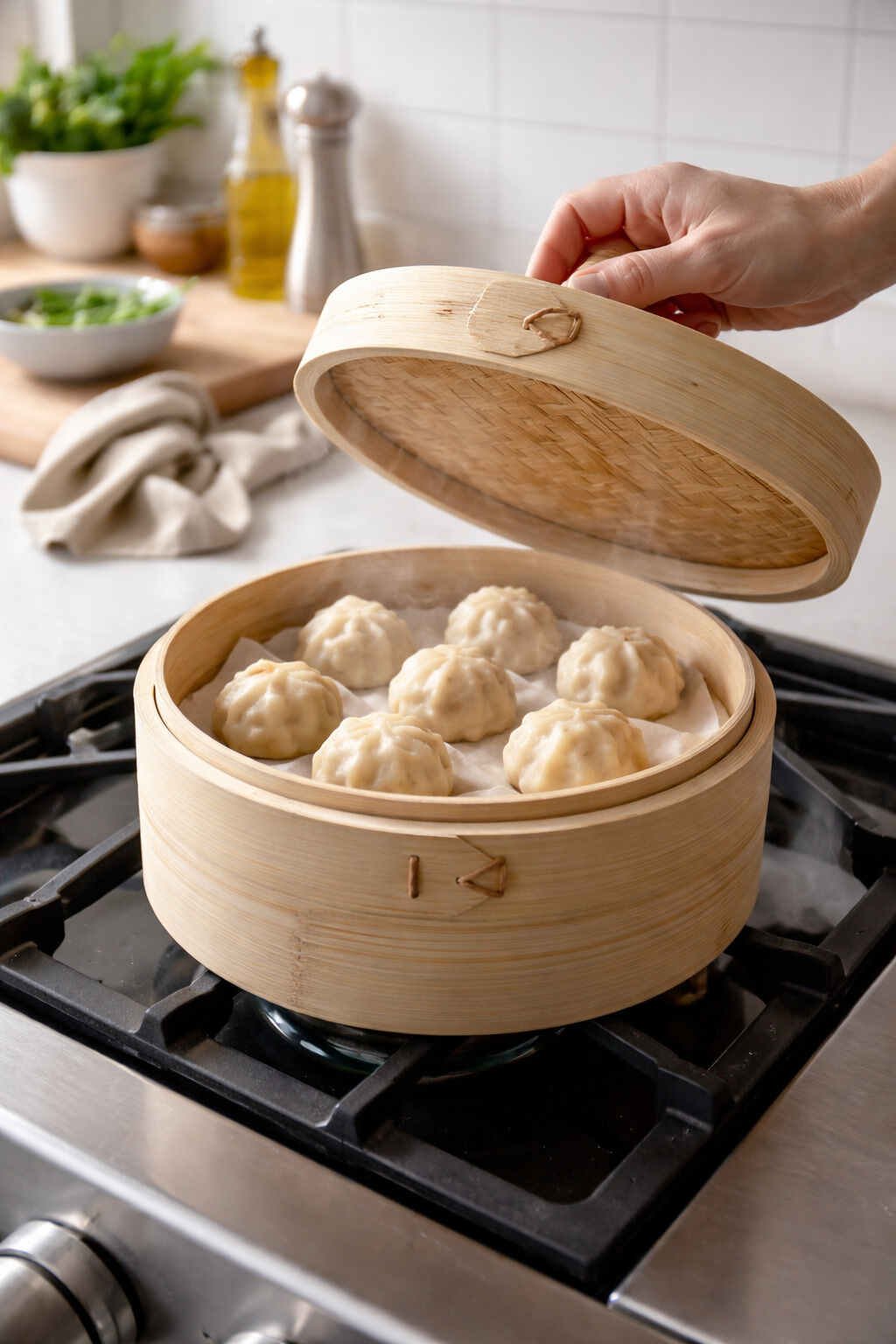
1.Xiao Long Bao/Tang Bao
Bamboo steamers offer excellent ventilation, preventing the dough from becoming too soggy while locking in the broth.
2.Shao Mai
The aroma of bamboo permeates the glutinous rice or meat filling, enhancing its flavor.
3.Shrimp Dumplings
During steaming, the bamboo steamer absorbs excess moisture, keeping the skin chewy and intact.
4.Glutinous Rice Chicken
The aroma of bamboo blends with the fragrance of lotus leaves, making the glutinous rice even more fragrant.
5.Char Siu Bao/Liu Sha Bao
The ventilation of the bamboo steamer keeps the dough fluffy and prevents it from collapsing.
-
Staple Foods
1.Steamed Dumplings/Baozi
Suitable for various fillings of baozi and huajuan; the bamboo steamer prevents the bottom from becoming too soggy.
2.Vegetable Dumplings/Steamed Buns
Coarse grain flour is easier to steam in bamboo steamers to maintain a firm texture.
3.Zongzi (Steamed in some regions)
The bamboo aroma permeates the glutinous rice, creating a more unique flavor.
-
Meat Dishes
1.Steamed Pork Ribs with Rice Flour
The bamboo steamer absorbs grease, keeping the meat tender and not greasy.
2.Steamed Chicken Feet with Black Bean Sauce
The bamboo aroma increases the flavor of the black bean sauce, making the chicken feet easier to steam until they fall off the bone, resulting in a soft, sweet, and delicious texture.
3.Steamed Shrimp/Scallops with Garlic and Vermicelli
It helps retain the freshness of seafood, with the bamboo aroma enhancing the flavor.
4.Braised Pork Belly with Preserved Mustard Greens (Steamed first, then steamed)
Long steaming time makes the meat tender and juicy, while the bamboo steamer removes excess oil.
5.Steamed Chicken (such as Salt-Baked Chicken, Scallion Oil Chicken)
It preserves the original flavor of the chicken, making the meat tender and smooth.
-
Fish and Seafood
1.Steamed Fish (e.g., sea bass, turbot)
The bamboo steamer’s breathability ensures even heating of the fish, allowing any fishy smell to dissipate with the steam.
2.Steamed Crab (e.g., hairy crab, mud crab)
The bamboo aroma neutralizes the cold nature of seafood, enhancing its sweetness.
3.Steamed Clams/Razor Clams
Served with minced garlic or sauce, the bamboo steamer prevents the flavor from being diluted.
-
Vegetables and Vegetarian Dishes
1.Steamed Eggplant (Preparation before making eggplant puree)
Steaming in a bamboo steamer results in a bright color, prevents the eggplant from falling apart, and creates a tender, easy-to-chew texture.
2.Steamed Tofu (e.g., stuffed tofu, steamed tofu with minced meat)
The tofu absorbs the bamboo aroma, resulting in a smoother texture.
3.Steamed Pumpkin/Sweet Potato
The sweetness of the whole grain is highlighted, while retaining its natural aroma.
-
Desserts and Snacks
1.Eight Treasure Rice Pudding
Steaming in a bamboo steamer makes the glutinous rice softer and more sticky, blending in the fruity aroma.
2.Steamed Malay Cake/Steamed Rice Cake
The bamboo steamer helps with even fermentation, resulting in a soft and fluffy texture.
3.Steamed Rice Cake
Steamed using traditional methods, avoiding caramelization of the sugar.
-
The operating parameters for bamboo steamers need to be adjusted flexibly according to the specific ingredients and the size of the steamer. Below is a general reference guide, combining traditional experience with modern kitchen practice:
Core Principles
1.Water Amount:
1.1.The pot must be filled with enough water to avoid dry burning. Generally, add water to 3-5 cm below the bottom of the steaming rack (add more water if steaming time exceeds 30 minutes).
2.Water Temperature:
2.1.Cold Water: Suitable for ingredients that require slow heating (such as steamed buns, dumplings, etc., to prevent collapsing).
2.2.Boiling Water: Suitable for easily cooked ingredients (such as fish, seafood, vegetables) or dishes that need to be quickly shaped.
2.3.Preheating: It is recommended to preheat the steamer empty for 1-2 minutes before placing the ingredients in to reduce condensation dripping and affecting the finished product.
-
Common Ingredient Reference Time Table
| Food categories | Steamer dimensions (diameter) | Water volume recommendation | Water temperature | Heating time (timed after SAIC). | Remark |
|---|---|---|---|---|---|
| steamed buns/mantou | 20-30 cm | Add enough water (about 1/3 of the pot's depth). | cold water | 15-25 minutes (adjust according to size and filling) | After turning off the heat, let it sit for 2-3 minutes before opening the lid to prevent shrinkage. |
| Fresh fish/fish fillets | According to the size of the fish plate | Sufficient water supply is required. | Boiling water | 8-15 minutes (adjust according to thickness) | Make diagonal cuts on the fish, place shredded ginger on top, steam, and then drizzle with hot oil and soy sauce. |
| Seafood (shrimp/shellfish) | No limit | Sufficient water supply is required. | Boiling water | 5-10 minutes | The shrimp are cooked when the shells open and the shrimp turn red; overheating will make them tough. |
| Glutinous rice products (shumai/zongzi) | Adjust according to quantity | Add enough water | Boiling water | 10-20 minutes (depending on whether it's frozen or refrigerated) | Frozen products need to be kept for an extended period of time. |
| Vegetables (leafy vegetables/root vegetables) | No limit | Moderate water volume | Boiling water | 3-8 minutes | Lay the food flat to avoid stacking, and season it promptly after steaming. |
| Soup/Stewed Egg | According to container size | Sufficient water supply is required. | Boiling water (medium-low heat) | 10-15 minutes (cover the steamed egg custard with plastic wrap) | The heat should not be too high to avoid the steamed egg custard developing a honeycomb-like texture. |
| Meat (ribs/chicken nuggets) | According to the components | Add enough water | Boiling water | 20-40 minutes (adjust according to the size of the cut pieces) | Adding starch during marinating can make the meat more tender. |
-
Key Precautions
1.Prevent Dry Burning:
1.1.For prolonged steaming (e.g., exceeding 40 minutes), monitor the water level frequently and add hot water as needed (do not add cold water to avoid a sudden temperature drop).
1.2.Place a few pebbles or coins in the water; a boiling sound will be heard. If the sound weakens, it may indicate insufficient water.
2.Avoid Condensation:
2.1.For steamed buns, bread, and other wheat-based foods, use a dedicated steaming cloth or baking paper to absorb excess moisture.
2.2.When steaming foods prone to water accumulation, tilt the lid to allow condensation to drain along the edges.
3.Heat Control:
3.1.Generally, use medium-high heat to maintain sufficient steam, but for easily overcooked ingredients (such as seafood), use medium heat.
3.2.Avoid frequently opening the lid during steaming to prevent steam leakage and affecting the cooking process.
4.Bamboo Steamer Maintenance:
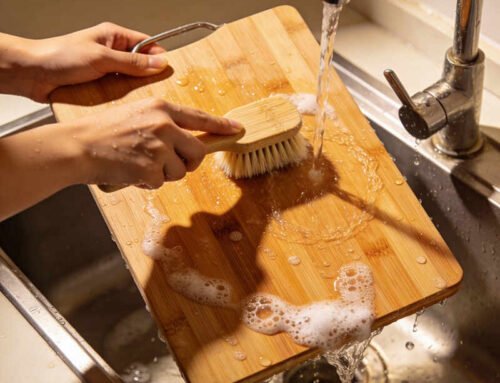
4.1.Before using a new steamer for the first time, it is recommended to wash it with warm water and allow it to air dry naturally, then steam it empty for 10 minutes to remove the bamboo smell.
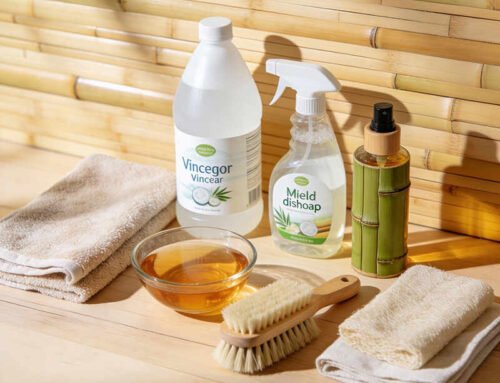
4.2.After use, be sure to clean thoroughly and air dry in the shade (avoid direct sunlight) to prevent mold growth.
-
Benefits of Using a Bamboo Steamer:
1.Natural Bamboo Aroma: Steam carries a delicate fragrance through the bamboo strips, permeating the food.
2.Breathable and Absorbent: Prevents condensation from dripping onto the food surface, keeping it dry.
3.Environmentally Friendly and Healthy: No chemical coating, healthy and environmentally friendly, suitable for traditional slow steaming.
-
Notices:
1.New bamboo steamers need to be cleaned and sterilized by boiling before use. Before use, you can line the bottom of the steamer with a layer of gauze, baking paper, or vegetable leaves (such as cabbage or lotus leaves) to prevent sticking.
2.After use, regularly air dry to prevent mold and extend the lifespan.
Bamboo steamers are especially suitable for dishes that emphasize the original flavor and texture, making them a classic utensil for Chinese steamed delicacies!
References:
[1] https://www.tilda.com/blog/equipment-guide/a-guide-to-bamboo-steamers/
[2] https://support.kitchensupply.com/hc/en-us/articles/31261838329869-How-to-Use-a-Bamboo-Steamer-Basket
[3] https://blauke.com/blogs/kitchen-accessories/how-to-use-bamboo-steamer?srsltid=AfmBOorZE5cwRKakgZ1ujeviapX4t0NGqemt9DqjTypP16pLDhgevVnP
[4] https://www.dingdongdimsum.com/blogs/blogs/the-art-of-steaming-with-a-bamboo-steamer-how-ding-dong-dim-sum-perfects-each-dumpling?srsltid=AfmBOoqlZsQn_YJm2iEGQqGkYVjBO0dvcxlhjtcheVSX-RnDDK6dZJ7B
[5] https://redhousespice.com/bamboo-steamers-a-complete-guide/
[6] https://vegnews.com/guides/bamboo-steamer-easy-healthy-meals
[7] https://www.thekitchn.com/steamer-recipes-23537681
Leave A Comment